Digital Program
Overview
original concept, stage direction, and artistic direction by Alyssa Brode
music by Edvard Grieg.
- include poets and languages in this one
- lighting design
- projections
- Haugtussa Reclaimed runs how long?
- presented by
- grant info
- seterjente info
JUMP TO SECTION
OVERVIEW
Troldtog* (March of the Trolls)
Sporven (Sparrow)
from: Grieg’s Haugtussa sketches / text: Arne Garborg / language: Norwegian Nynorsk
Veslemøy playfully watches a sparrow as it flits around without care.
Sporven (Sparrow)
from: Grieg’s unpublished Haugtussa sketches
text: Arne Garborg
language: Norwegian Nynorsk
Veslemøy playfully watches a sparrow as it flits around without care.
Til L. M. Lindemans Sølvbryllup (For L. M. Lindeman’s Anniversary)
text: Vilhelm Bernhoft Nicolaysen
language: Norwegian Bokmål
Det syng (The Enticement): Veslemøy is in a trance as an unseen creature calls her to the Blue Hill.
Eit Syn (A Vision): Veslemøy’s dead sister appears to her in a vision. She tells Veslemøy that this newly discovered clairvoyance is her destiny.
Efteraarsstormen (Autumn Storms): Veslemøy has a terrifying premonition about her uncle caught in a deadly storm.
Veslemøy: Though Veslemøy is young and healthy, her physical appearance reflects the darkness beginning to take hold.
Wo sind sie hin? (Where Have They Gone?): The villagers have discovered Veslemøy’s clairvoyance and derisively nicknamed her “Haugtussa” (troll maiden). Ostracized, she laments her loneliness.
Tak for dit Råd (Thanks For Your Counsel) /
– SCENE CHANGE: Es war einmal (Once Upon a Time)*
Songs & Synopses
OVERTURE
Troldtog* (March of the Trolls)
SCENE 1: AT HOME
Sporven (Sparrow) / text by Arne Garborg
Veslemøy playfully watches a sparrow as it flits around without care.
Til L. M. Lindemans Sølvbryllup (For L. M. Lindeman’s Anniversary): As Veslemøy tells a folk tale of mountain sprites and elves, otherworldly creatures begin to emerge around her.
Det syng (The Enticement): Veslemøy is in a trance as an unseen creature calls her to the Blue Hill.
Eit Syn (A Vision): Veslemøy’s dead sister appears to her in a vision. She tells Veslemøy that this newly discovered clairvoyance is her destiny.
Efteraarsstormen (Autumn Storms): Veslemøy has a terrifying premonition about her uncle caught in a deadly storm.
Veslemøy: Though Veslemøy is young and healthy, her physical appearance reflects the darkness beginning to take hold.
Wo sind sie hin? (Where Have They Gone?): The villagers have discovered Veslemøy’s clairvoyance and derisively nicknamed her “Haugtussa” (troll maiden). Ostracized, she laments her loneliness.
Tak for dit Råd (Thanks For Your Counsel): Veslemøy chooses to embrace her fate, knowing that the journey ahead may be dark.
– SCENE CHANGE: Es war einmal (Once Upon a Time)*
SCENE 2: IN THE HAYFIELD
Den Bergtekne (The Mountain Troll): Veslemøy has just followed–and then fled–the seductive calls of the troll from the Blue Hill. She now returns to tend her family’s summer farm, with a local shepherd boy on her mind.
Homesickness*
I slåtten (In the Hayfield): Veslemøy takes in the smells of haying season and the peaceful scent of summer.
Veslemøy undrast (Veslemøy Wondering): As she watches girls and boys playfully flirting with one another, Veslemøy wonders if a boy will eventually come along who doesn’t mock her.
– SCENE CHANGE: Andante con gravita*
SCENE 3: THEY WANT TO TAKE HER
På Hamars ruiner (Upon the Ruins): Veslemøy seeks solace at church. She wanders through the graves and retrieves a bone as a talisman.
Dømd (Doomed): A spirit overtakes Veslemøy; it is the man whose bone she took, now unable to rest in peace.
Eingehüllt in graue Wolken (Enveloped in Gray Fog): More ghosts appear to haunt Veslemøy until an exorcism finally makes the terrifying visions subside.
– SCENE CHANGE: Ensom vandrer (Lonely Wanderer)*
SCENE 4: Summer On the Mountain
Veslemøy lengtar (Veslemøy Longing): Veslemøy is homesick, longing for her mother.
Blaabær-li (Blueberry Hill): Blueberries are growing abundantly on the hill, and Veslemøy imagines animals—as well as Jon, the nearby shepherd boy—arriving to eat them.
Møte (Tryst): A love note arrives from Jon, and Veslemøy revels in their shared affection. She is unbothered by her visions as she grows more and more smitten.
Killingdans (Kidling’s Dance): Veslemøy joyfully watches her animals dance and play, singing a lighthearted nonsensical tune to them.
INTERMISSION
SCENE 5: Summer’s End
Elsk (Love): With their scheduled meeting soon approaching, Veslemøy’s thoughts are fixated on Jon.
Vond Dag (Hurtful Day): Jon has not arrived for their meeting. Heartbroken, Veslemøy wishes to die.
Ved Gjætle-Bekken (At the Brook): Veslemøy watches the brook, hoping to find peace and a place to forget her loneliness.
Gnomenzug (March of the Gnomes)*: As she sleeps, Veslemøy hears a voice; it is the mountain troll, summoning her to a meeting of dark creatures in the underworld.
Seterjentene (The Troll Maidens): A half-possessed Veslemøy vows to follow the troll to the underworld to sign her name in the book of the devil; in exchange, he has promised her reprieve from her pain and unimaginable power.
– SCENE CHANGE: Anitras Dans (Anitra’s Dance)*
SCENE 6: Awakening
I Dovregubbens hall (In the Hall of the Mountain King)*:All the creatures of the underworld are gathered.
Was soll ich sagen? (What Should I Say?): The troll shows Veslemøy a vision of Jon mocking her with his new lover. Hurt, she succumbs to the troll’s advances.
Elfentanz (Dance of the Elves)*
Onde Mands Onde Væter (Evil Men’s Evil Spirits): As various dark creatures are sworn into the flock, Veslemøy finds herself compelled to follow.
Suk (Sighs): Veslemøy, though feeling broken and lost, chooses to leave rather than pledge herself to the darkness.
– SCENE CHANGE: Den sidste laurdags kvelden (Last Saturday Night)*
SCENE 7: On the Blue Hill
Min lille fugl (My Little Bird): In her overwhelming loneliness, Veslemøy wishes she could forget Jon.
Spillemænd (Siren): Veslemøy, desperate to win Jon back, offers a final trade to the underworld: her soul in exchange for a love potion. At the last moment, though, she rejects the potion and chooses the path towards light.
Solvejgs Sang (Solveig’s Song): Veslemøy knows that her true journey out of darkness is only just beginning, but she is resolved to see it through.
Artist Profiles
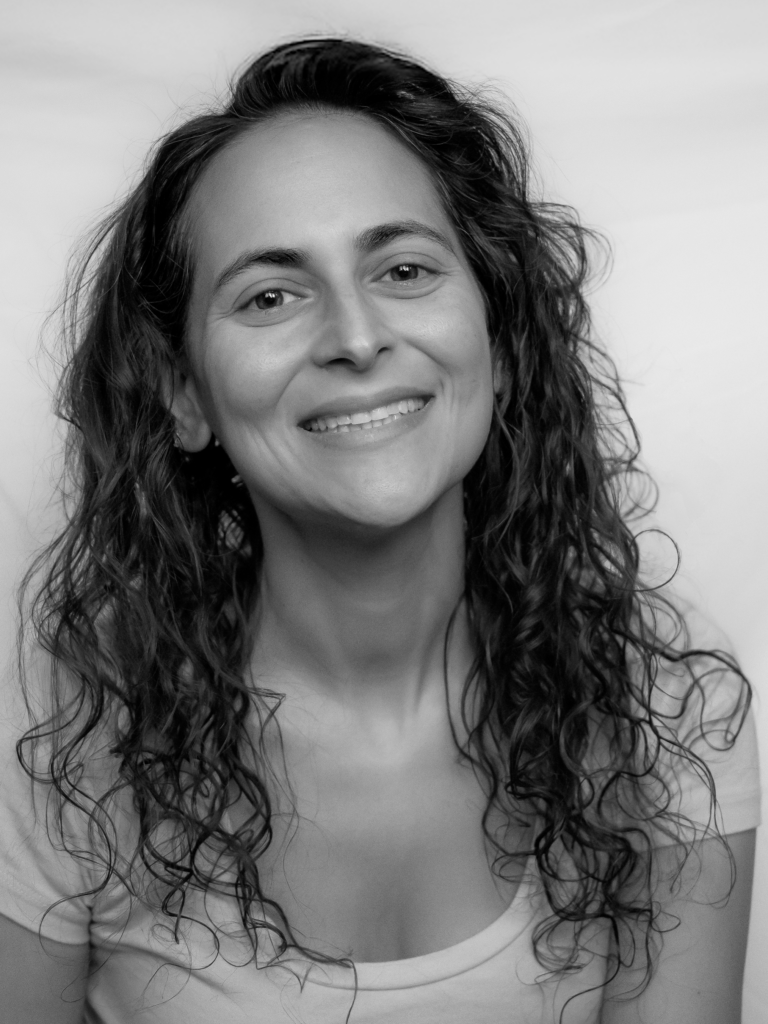
Alyssa Brode as Veslemøy
Alyssa Brode is a versatile soprano who has won over audiences with her interpretations of song, musical theater, and operatic repertoire. Her artistic mission is to find the emotional core in music of all genres, whether by bringing to life wholly unique productions or breathing fresh energy into the standard repertoire (Musetta in La bohème, Gretel in Hansel and Gretel, Violetta in La traviata). Passionate about brand-new works, Alyssa was featured in the world premiere production of Girondines (Pierrette), participated in Theatre on the Verge’s New Musicals Festival, and created the role of Clover in Christman’s A Metamorphosis—a portrayal for which she was praised for her “endearing charm” and “glittery tones and demeanor” (OperaWire). In 2025-2026, Alyssa has been fortunate to take on a host of concerts and cabarets (Opera on Tap, The Opera Project, Footlighters Theater) as well as full operatic and musical theater roles (Frasquita in Carmen; Alice Beane in Titanic), but her most cherished highlight of recent seasons has been curating her own programs of cross-genre repertoire: thirtysomething, her solo recital with Wilmington Concert Opera, and Open Your Mouth, the inaugural Incantra performance which raised funds for Reclaim Philadelphia while highlighting pressing social issues.
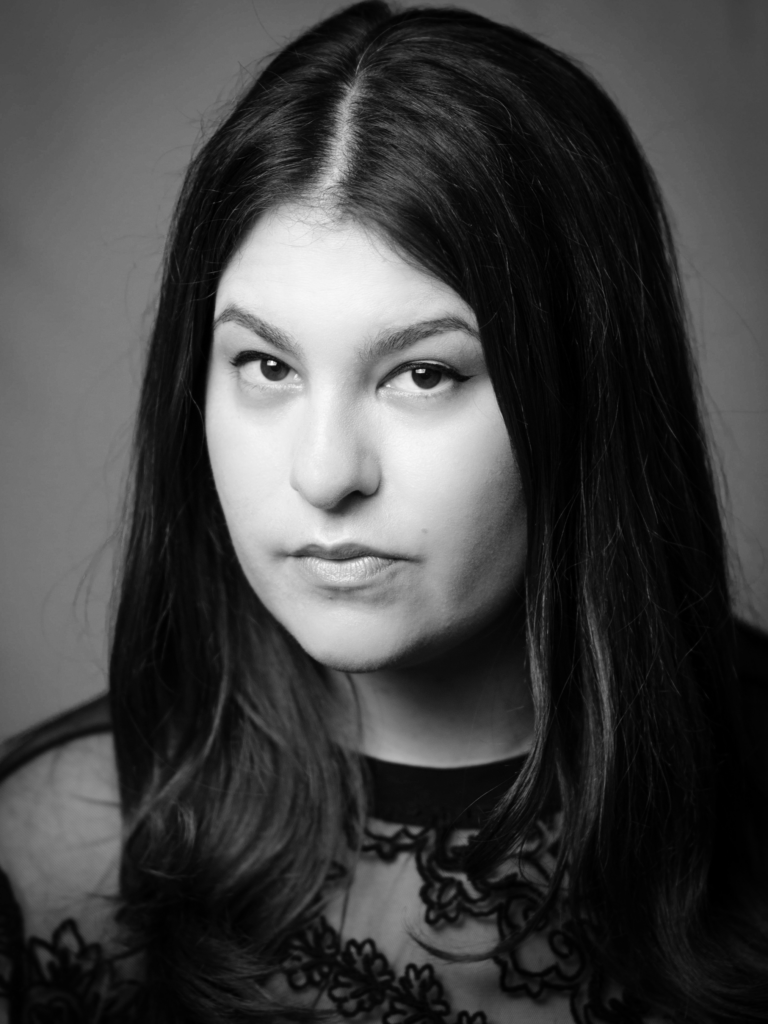
Irene Moretto on piano
Irene Nicolette Moretto is a Philadelphia-based pianist and harpsichordist who specializes in collaborative playing. She is the Music Director and accompanist for Presentation BVM Church in Wynnewood, PA where she leads the choir and organizes music for three weekly liturgies. Irene is an active piano teacher and has been on the faculty of The Baldwin School for eight years. She has attended festivals including the American Institute of Music Studies in Graz, Austria, Tafelmusik Baroque Summer Festival in Toronto, Canada, and Piano Summer in New Paltz, NY. Her studies at Temple University brought her under the tutelage of Dr. Charles Abramovic and Dr. Joyce Lindorff. From this institution, she received a B.M. in Piano Pedagogy, M.M. in Piano Performance, and M.M. in Harpsichord Performance. Irene is especially passionate about vocal collaboration and has played for such groups as Willson Vocal Academy, Opera on Tap, Wilmington Concert Opera, and Delaware Valley Opera Company. Currently, she focuses on using her music to raise awareness and support research for Prader-Willi Syndrome. Irene’s favorite role by far is as mother to her joyful and humorous two-year old daughter, Áine Mirella.
More About This Project
Haugtussa is Edvard Grieg’s only song cycle, celebrated for its fusion of lush Romanticism and Norwegian folk idioms. Immediately enamored with Arne Garborg’s 71-poem collection of the same name, Grieg’s original intention was to adapt Garborg’s Haugtussa on a far larger scale, sketching 20 pieces including some choral settings and orchestral arrangements.
But in the end, the cycle that Grieg published for voice and piano was just a small sliver of both his plans and Garborg’s full story. In Garborg’s original, the young heroine Veslemøy embraces her clairvoyance at the cost of being othered by her community, triggering a journey of personal growth peppered with fantastical encounters. Though Grieg’s cycle is widely considered a musical masterpiece, it regrettably reduces its main character’s story to eight songs featuring little more than love and heartbreak.
Incantra founder Alyssa Brode conceived of Haugtussa Reclaimed to showcase the otherworldly elements that fell largely by the wayside in Grieg’s cycle, and to give Veslemøy a more empowered arc. She began by researching and mapping the poem-by-poem trajectory of Garborg’s book. Next, she scoured Grieg’s vast catalog of vocal works and chose thematically and stylistically relevant pieces to fill in the narrative gaps. By adding those to Grieg’s Haugtussa songs—those which he included in his cycle as well as his posthumously published sketches—she reassembled Garborg’s story as Haugtussa Reclaimed, shifting the focus of Veslemoy’s tale from her romance back to her larger supernatural journey.
By restructuring the story, and by presenting Haugtussa Reclaimed more theatrically than a traditional art song performance, this one-of-a-kind production lets audiences witness the full mysticism of the Haugtussa saga while still experiencing Grieg’s exquisite and rarely heard music.
Haugtussa Reclaimed is sponsored in part by a grant from the Edvard Grieg Society of the Dakotas and is presented by Incantra and Main Line Unitarian Church as part of the illumine concert series